
Arc'teryx
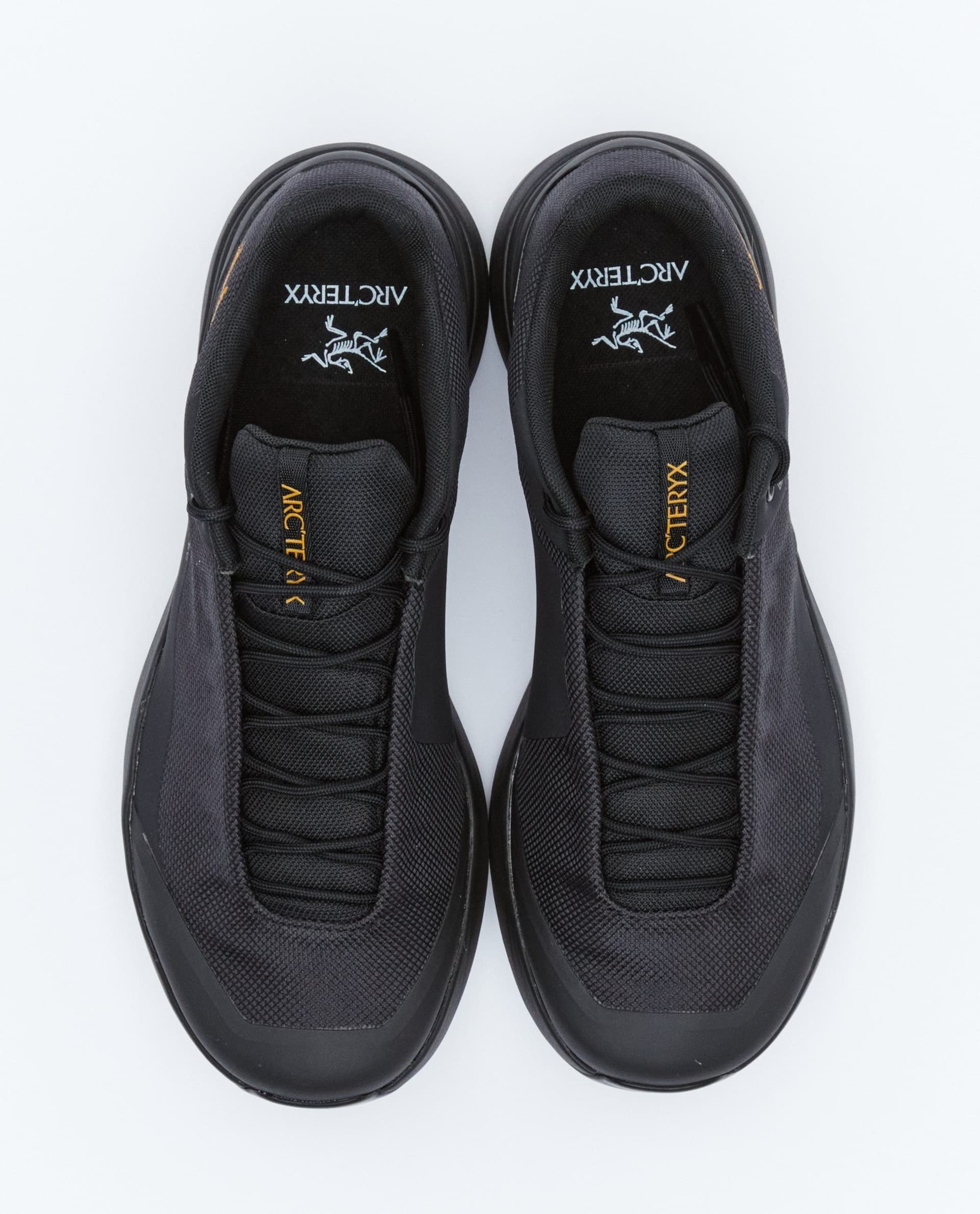
Men's Kopec GTX
Available in
40 41 42 43 44 45 46 47
1 990 SEK
Arc'teryx didn't ask for fashion's attention. They got it anyway—and their response was to keep doing exactly what they were already doing.
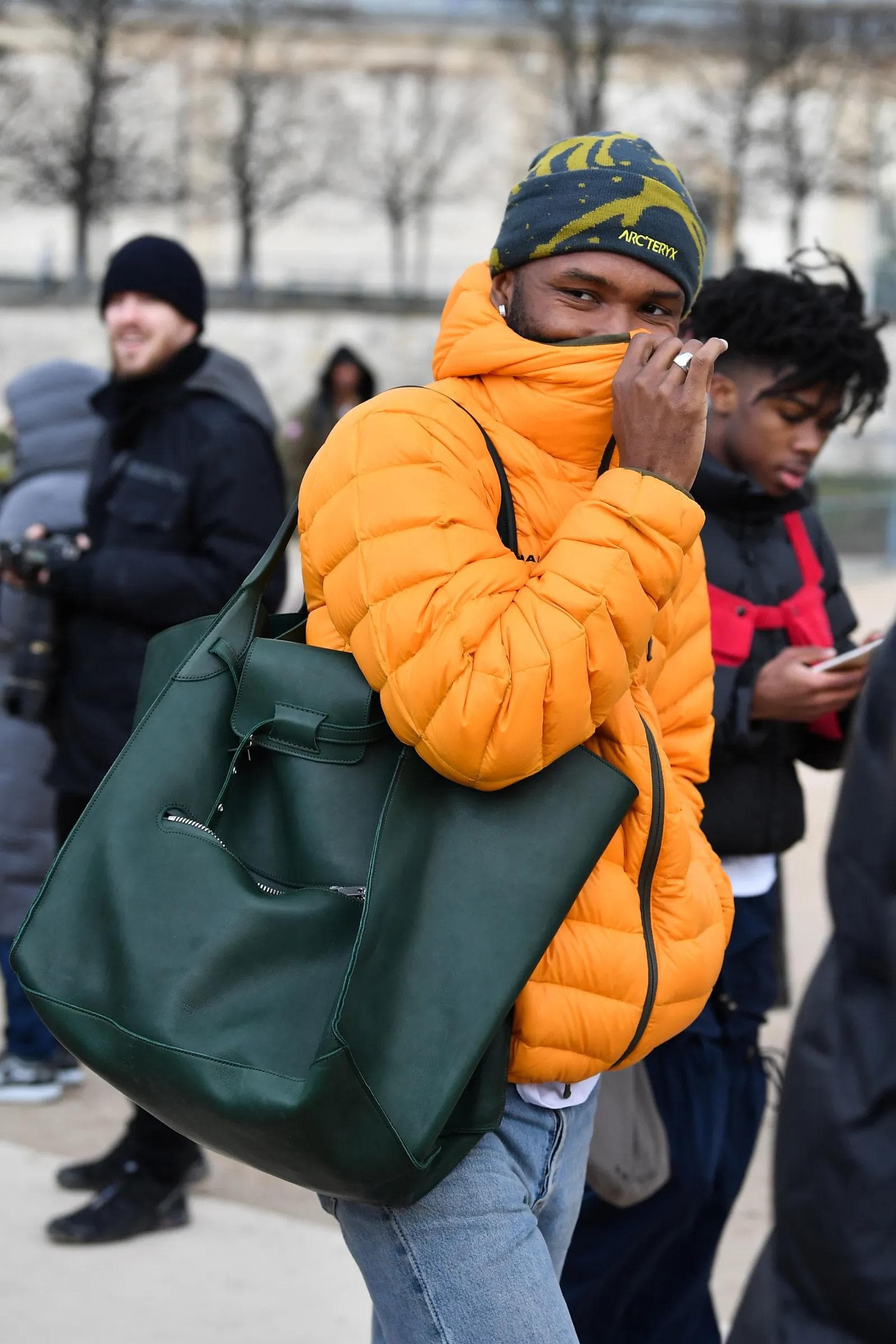
January 2019. Paris Fashion Week. Frank Ocean steps out of a car wearing an orange Mammut puffer, Diemme hiking boots, and a black beanie with a small, angular fossil logo.
That beanie—Arc'teryx's Bird Head Toque—would become one of the most sought-after accessories in streetwear. Not because of a marketing campaign. Not because of a celebrity endorsement deal. Frank Ocean simply wore it because it worked.
"This Frank Ocean look spoke to many men, including myself," Olie Arnold, Style Director at Mr Porter, told Esquire. "He looked comfortable and ready for anything, whilst also looking great."
Within months, the beanie was sold out everywhere. Four years later, it still sells out whenever restocked. According to one Arc'teryx sales associate, approximately 90% of the toques seen on the street are dupes—the brand's production simply can't keep up with demand.
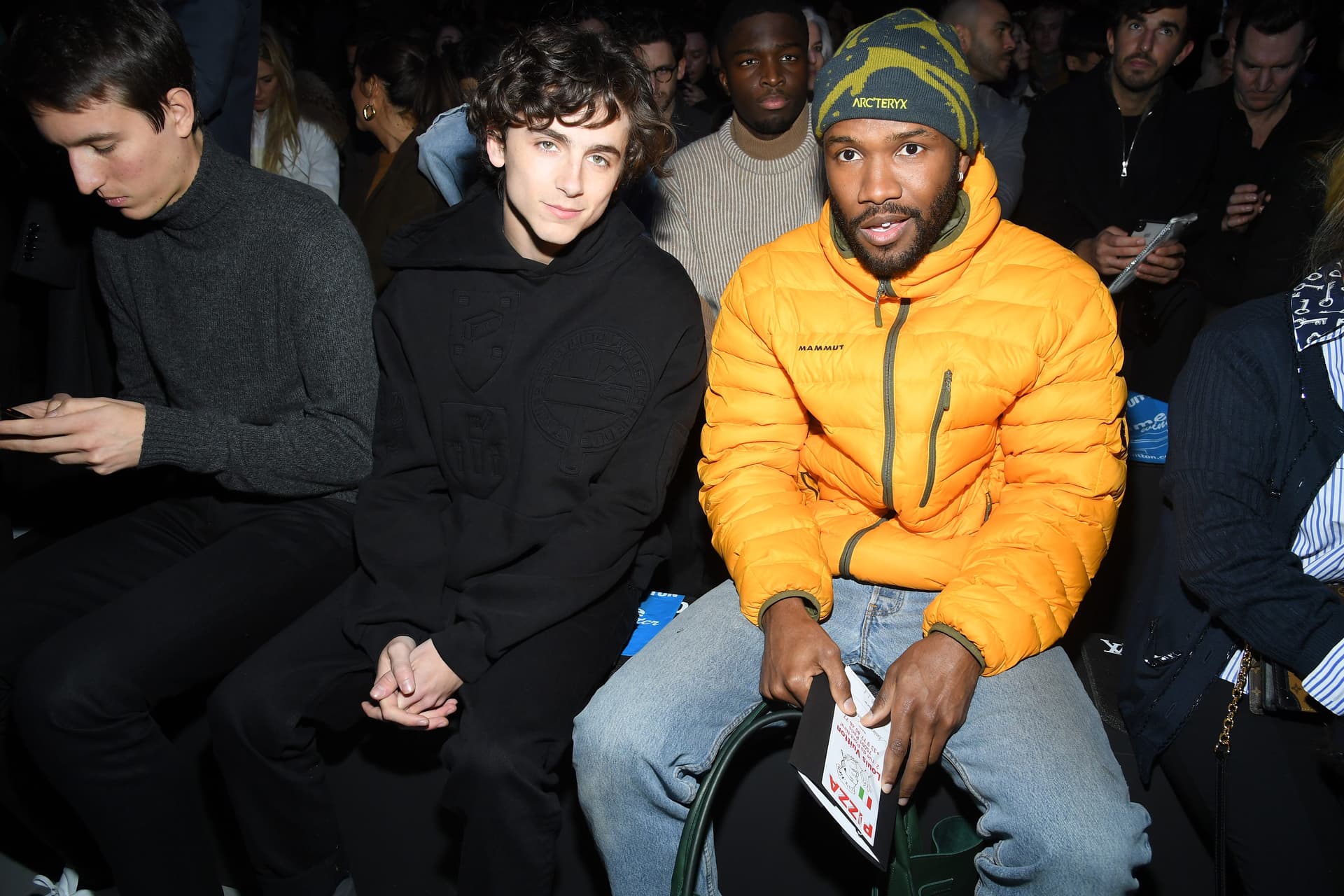
Timothee Chalamath and Frank Ocean front row Paris Fashion Week
The Company That Wouldn't Pivot
Most brands would have leaned into this moment. Arc'teryx chose a different path.
"The moment we pivot and try to address the streetwear world, we'll totally lose it," Dan Green, Arc'teryx's VP of Design, told Hypebeast.
This wasn't false modesty. When Virgil Abloh sent models down the Off-White Fall/Winter 2020 runway wearing Arc'teryx jackets and harnesses, the brand didn't celebrate the exposure. They issued a statement clarifying that the appearance was "unofficial"—Abloh's team had used the gear without permission.
Where other brands would have scrambled to formalize a collaboration with one of fashion's most influential designers, Arc'teryx simply... didn't.
"Part of our success is that we're not trying to be trendy," Green continued. "Being in the streetwear world can be really scary if you have your sights set on being a 100-year-old brand because it's a roller coaster of 'you're hot, you're not.' So we just stay the course and do what we want to do."
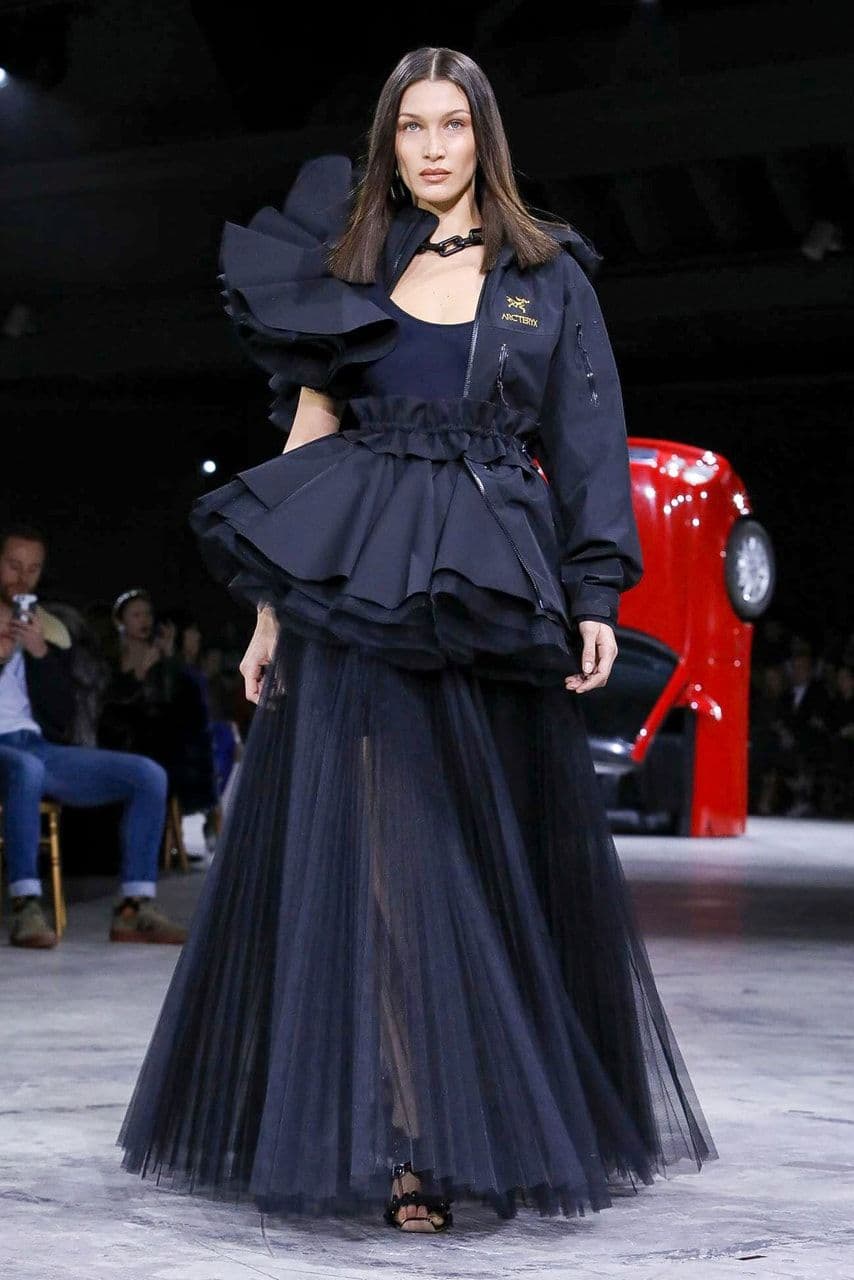
Bella Hadid in a recycled Arc'teryx Jacket at Paris Fashion Week 2020
Built Different (Literally)
To understand Arc'teryx's reluctance to chase fashion, you need to understand how the company operates.
Founded in 1989 as Rock Solid in North Vancouver, the brand began by making climbing harnesses using a heat laminate technology called thermolamination. Every product since has followed the same philosophy: identify a specific problem, engineer a solution, then refine obsessively until the product can't be improved further.
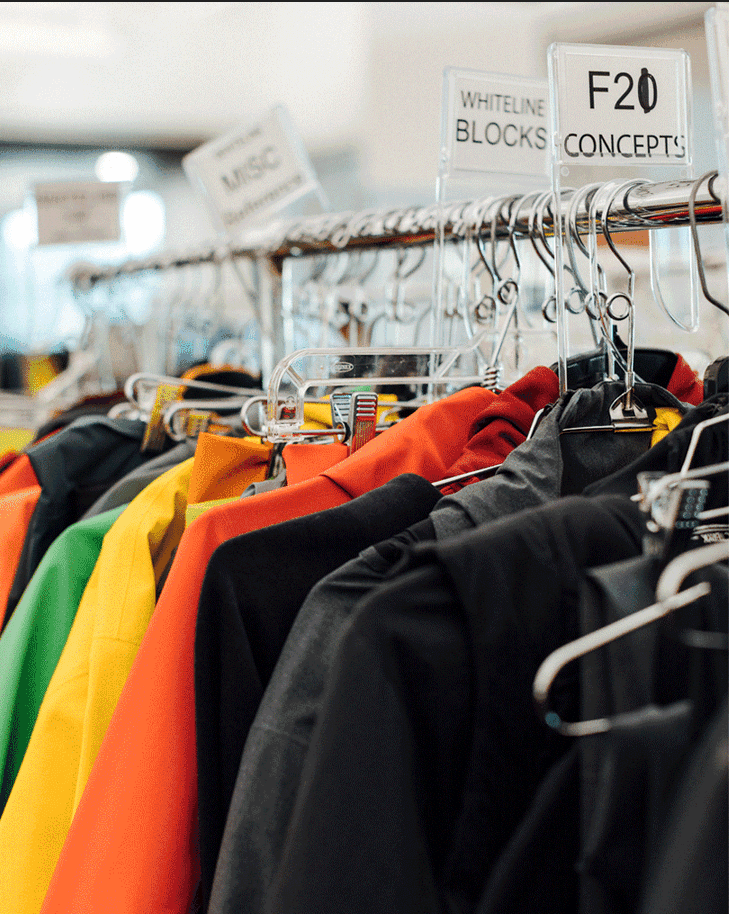
Their headquarters sits at the foot of the Coast Mountains—not for the view, but for access to immediate product testing. Harnesses get stress-tested. Fabrics undergo abrasion trials. Custom machinery is built specifically to manufacture Arc'teryx products. The company spends months perfecting a single zipper.
This isn't marketing copy. It's operational reality. And it explains why the brand bristles at being reduced to a fashion statement.
The TikTok Paradox
In 2022, a trend emerged: people filming themselves showering fully clothed in Arc'teryx jackets while British rapper YT's song "Arc'teryx" played in the background. The phrase "look how it beads off" became a meme.
Some saw it as celebration. Others saw it as cringe—TikTokers flexing expensive gear they'd never take near an actual mountain. The trend highlighted an uncomfortable truth about Arc'teryx's new audience: most of them would never need the technical performance they were paying for.
Forum debates erupted. "Arc'teryx is definitely in the poser realm for resort skiing now," one commenter wrote. "Too rich and cringe. Where Arc really shines is alpine/ice climbing. Then you are really using it for what it's made for."
But here's the thing: Arc'teryx didn't change their products to accommodate their new customers. The Beta AR that a TikToker wears to get coffee is the same Beta AR that a mountaineer wears at 4,000 meters. The technical specifications didn't soften. The prices didn't drop. The brand simply absorbed its new audience without compromising for them.
The Gorpcore Moment
Frank Ocean's 2019 outfit didn't create gorpcore—the term had been coined by The Cut years earlier. But it accelerated the movement into mainstream consciousness.
Suddenly, outdoor gear wasn't just for the outdoors. Salomon XT-6s became streetwear staples. Columbia fleeces returned. Oakley sunglasses reappeared. The aesthetic spread from fashion-forward cities to suburban shopping centers.
Arc'teryx rode this wave better than most, primarily by refusing to acknowledge it.
"We're not overtly fashionable, and we're not following micro trends," Green stated. The company continued releasing products designed for extreme conditions, and fashion continued adopting them for urban environments. The relationship remained one-sided—and that's exactly why it worked.

The Dead Bird's Appeal
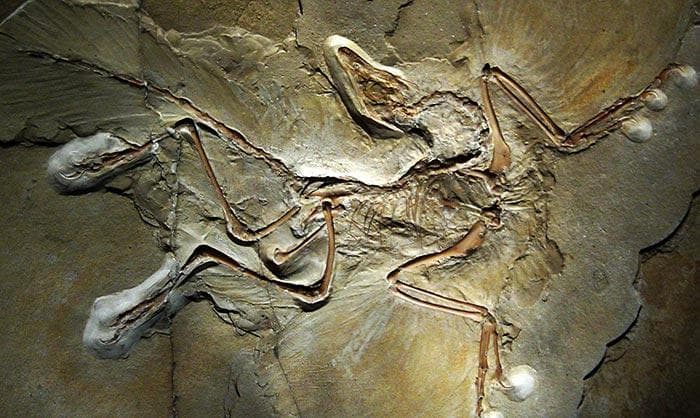
Arc'teryx's nickname—"dead bird"—comes from their logo, a stylized Archaeopteryx fossil representing the transition from dinosaurs to modern birds. It's an apt metaphor for the brand itself: ancient in its commitment to function, evolved enough to survive changing environments.
The New York Times called Arc'teryx a brand "worn by [both] hikers and hype-beasts." The Financial Times noted that "urbanites" now constitute one of their largest demographics. The company passed $1 billion in annual revenue, driven significantly by consumers who will never use their gear for its intended purpose.
But here's what sets Arc'teryx apart from brands that chase hype: the products remain designed for the 1% who actually need them. The fashion crowd gets access to genuinely exceptional gear. The mountaineers get products that haven't been diluted for mass appeal. Everyone wins—as long as Arc'teryx keeps refusing to care about what anyone thinks.
The Quiet Confidence
There's a particular type of gatekeeping that happens around Arc'teryx. "How many mountains have you climbed?" The question, sometimes asked seriously, sometimes mocked, captures the tension between the brand's origins and its current audience.
But maybe that tension is the point. Maybe the best outdoor gear exists on a spectrum—serving those who need it for survival and those who simply appreciate exceptional engineering. Maybe there's room for both the alpinist and the urbanite.
Arc'teryx's answer has been consistent: build the best possible products for the most demanding users, and let everyone else benefit from that standard.
From base camp to front row. From the Coast Mountains to Copenhagen coffee shops. The dead bird didn't ask for fashion's attention. But it earned it anyway—by never trying to.
Shop the Collection
Explore our Arc'teryx selection—engineered for mountains, ready for anywhere.
Arc'teryx
Men's Kopec GTX
Available in
40 41 42 43 44 45 46 47
1 990 SEK
Arc'teryx
Women's Atom Vest
Available in
One Size
2 190 SEK
Arc'teryx
Men's Atom Jacket
Available in
XS S M L XL
2 790 SEK
Arc'teryx
Men's Gamma Lightweight Hoody
Available in
XS S M L XL
2 790 SEK
Arc'teryx
Aerios 5 Panel Cap
Available in
One Size
840 SEK
Arc'teryx
Gamma 5 Panel Cap
Available in
One Size
540 SEK
Arc'teryx
Venta GTX Glove
Available in
One Size
1 690 SEK
Arc'teryx
Women's Sylan GTX
Available in
36 37 38 39 40 41
2 590 SEK
Arc'teryx
Women's Norvan 3' Short
Available in
XS S M L XL
990 SEK
Arc'teryx
Small Bird Cap
Available in
One Size
540 SEK


